Water leakage may seem like a minor issue at first, but if ignored, it can lead to serious structural damage, mold growth, and high utility bills. Whether in homes, commercial spaces, or industrial facilities, identifying and addressing water leakage early is key to preventing long-term damage. For expert help in the UAE, visit Water Leak Detect UAE — your local specialists in accurate, non-destructive leak detection.
1. What is Water Leakage?
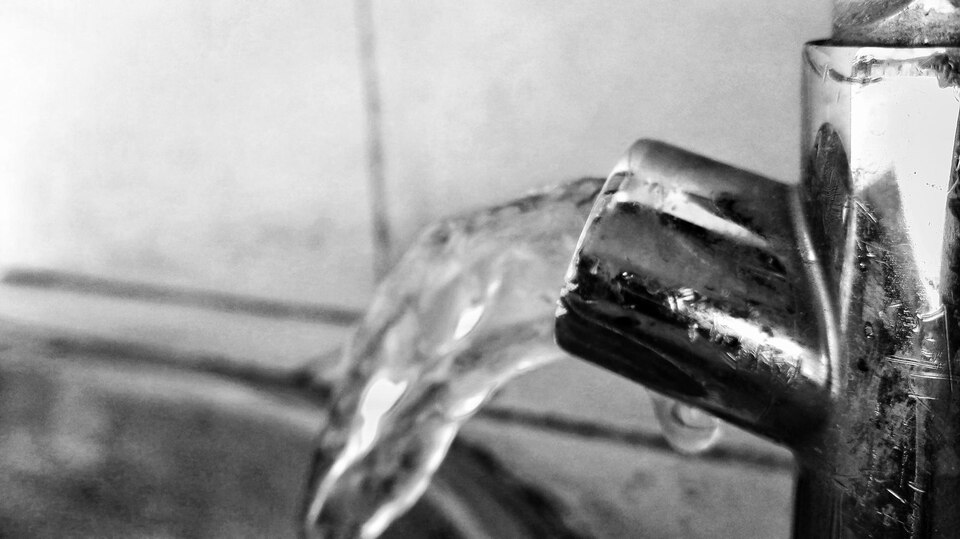
Water leakage refers to the unintended escape of water from pipes, fixtures, or appliances due to cracks, broken joints, or faulty components. It can occur visibly (like dripping taps) or invisibly (within walls or underground). Unnoticed water leakage can waste thousands of liters of water annually and compromise structural integrity. It is especially dangerous when it happens behind walls or under floors, making early detection essential.

2. Common Causes of Water Leakage
Aging pipes are one of the most frequent causes of water leakage in residential and commercial buildings. As pipes corrode or become brittle over time, tiny fractures can appear, allowing water to seep through. Poor plumbing installation and substandard materials also contribute to water leakage. Even newly constructed homes can experience leaks if plumbing connections aren’t secure or waterproofed correctly.
3. Signs You Might Have a Water Leakage Problem
A sudden increase in your water bill is one of the earliest signs of water leakage. If your usage habits haven’t changed, but your costs spike, it’s time to investigate. Other warning signs include damp walls, mold growth, musty odors, and peeling paint. These can indicate hidden water leakage behind walls or under flooring.
4. How Water Leakage Affects Your Home and Health
Beyond structural damage, water leakage promotes mold and mildew growth, which can cause respiratory problems and allergic reactions. It can turn your home into a breeding ground for bacteria. Long-term water leakage can weaken foundations and cause wooden elements like beams or flooring to rot. This reduces the value and safety of your property over time.
5. Technologies Used in Water Leakage Detection
Modern leak detection systems use sensors, thermal imaging, and acoustic devices to identify the source of water leakage without tearing down walls. These technologies ensure faster, non-invasive detection. At Water Leak Detect UAE, we use industry-leading equipment to deliver accurate results quickly—minimizing disruption and maximizing protection.
6. Preventing Water Leakage: Proactive Measures
Regular inspections of plumbing systems can prevent unexpected water leakage. This includes checking joints, faucets, and visible pipes for signs of rust, wear, or corrosion. Installing water sensors in vulnerable areas such as basements, bathrooms, and kitchens is an excellent step toward preventing water leakage. These sensors can detect even small leaks before they become disasters.

7. Professional Help vs. DIY: When to Call for Water Leakage Services
While minor leaks can often be addressed with a wrench or sealant, persistent water leakage should be assessed by professionals. They have specialized tools to detect and fix the root cause effectively. For reliable service in the UAE, trust Water Leak Detect UAE to identify the problem before it gets out of hand—saving you time, money, and stress.
Conclusion
In any property, water leakage is more than just an inconvenience—it’s a hidden threat that can quietly cause major damage. From health risks to financial burdens, the consequences of ignoring leaks are serious. By using modern detection systems, staying proactive with maintenance, and understanding the early signs, you can protect your space from the silent dangers of water leakage. For fast and effective solutions, connect with Water Leak Detect UAE today.
FAQs About Water Leakage
1. What are the most common places where water leakage occurs?
Typically, you’ll find water leakage near sinks, toilets, behind walls, ceilings, and under flooring.
2. Can small leaks lead to bigger problems?
Yes, even minor water leakage can lead to mold growth and structural damage over time.
3. Is water leakage covered by home insurance?
It depends on the policy. Some cover sudden leaks but not gradual water leakage due to neglect.
4. How can I detect hidden leaks?
Use water meters, thermal cameras, or hire professionals with specialized equipment to detect water leakage.
5. Are smart leak detectors reliable?
Yes, most modern detectors are highly accurate and can notify you immediately when water leakage occurs.
6. Can water leakage affect my health?
Yes, it can lead to mold growth, which causes respiratory and allergic issues.
7. How much water is typically lost due to a leak?
A small drip can waste over 3,000 gallons a year. Continuous water leakage can result in much higher loss.
8. Should I turn off the main valve if I suspect a leak?
Yes, shutting off the main valve can prevent further water leakage and costly damage. For urgent assistance, call us at +971 55 246 8744.