
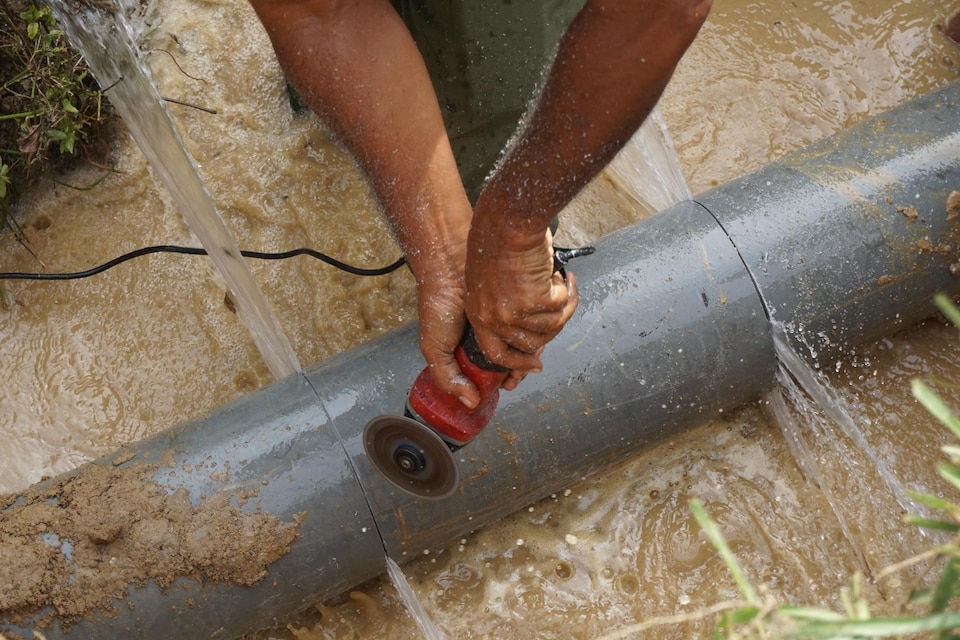
The technique of finding and identifying leaks in pipelines used to carry gases or liquids is known as pipeline leak detection. If left unnoticed, leaks can cause financial losses, safety problems, and environmental hazards. Therefore, using cutting-edge technology to find and track these breaches is crucial.
Ensuring the integrity and safety of pipelines that transport everything from water to dangerous chemicals and natural gas is the primary goal of pipeline leak detection. Early leak discovery prevents major catastrophes and reduces the environmental impact. In this sense, contemporary systems are built to track pipeline performance over time and spot any vulnerabilities.
There are numerous approaches to leak detection, from sophisticated sensor systems with real-time monitoring features to more conventional manual inspection methods. Pipeline leak detection is more important than ever due to growing worries about pipeline security and climate impact.
Important Technologies for Detecting Pipeline Leaks
Today, pipeline leak detection uses various technologies. Acoustic sensors, fibre-optic sensors, and pressure monitoring are a few of the most well-known. Depending on the material and location of the pipeline, each technique has a unique set of benefits.
Leak-induced sound waves are detected using acoustic sensors. Conversely, pressure monitoring systems use variations in pipeline pressure to indicate a possible leak. Fibre-optic sensors are perfect for remote or challenging-to-reach locations since they can monitor long pipeline segments in real time.
Recent advances in these technologies have made it easier to detect leaks as they happen. Operators can improve reliability and reduce the likelihood of undetected failures by integrating various technologies to develop a more comprehensive system for detecting pipeline leaks.
Types of Systems for Detecting Pipeline Leaks
Systems for detecting pipeline leak detection come in two primary varieties: passive and active. Usually found in low-risk pipelines, passive systems are designed to identify environmental changes like temperature, pressure, or flow rate. These devices are ideal for monitoring smaller pipelines with less demanding specifications.
Conversely, active systems actively monitor the interior conditions of the pipeline using a range of sensors. These systems can detect even minor leaks before they escalate into more significant problems. In high-risk locations, such as those with hazardous products or in isolated areas, active systems are very helpful.
Both kinds of devices have uses, and to identify pipeline leaks as safely and effectively as possible, operators frequently combine the two.
The Significance of Pipeline Leak Detection
Finding pipeline leak detection is essential for maintaining public safety and the environment. Leaks that go unnoticed can result in hazardous chemical spills, explosions, or flames, all of which present serious threats to the environment and public health. For instance, pipelines carrying gas and oil that spill into rivers or the ocean can contaminate water supplies and harm wildlife, causing extensive environmental devastation.
Moreover, a pipeline spill has enormous economic ramifications. Lawsuits, regulatory fines, and environmental cleaning all come at a substantial cost to businesses. Over time, effective leak detection systems lower these expenses and safeguard the business’s reputation.
The necessity for efficient pipeline leak detection will only increase as industries grow and pipelines play a bigger role in the transmission of energy. Proactively putting these measures in place protects the public and companies.
Pipeline Leak Detection Challenges
Although methods for pipeline leak detection have advanced, operators continue to face several difficulties. Finding tiny leaks that might not cause noticeable changes in flow or pressure is one of the main challenges. These leaks may lie undetected for a long time and are frequently difficult to find using conventional techniques.
Some pipelines are located in remote areas, which makes it challenging to build and operate monitoring equipment. In these cases, operators often depend on satellite technology or aircraft monitoring, which may not be as reliable as ground sensors.
Last but not least, systems for detecting pipeline leaks can be prohibitively expensive to install and operate, particularly for smaller businesses or older pipelines that need significant improvements to support contemporary technologies.
Pipeline Leak Detection’s Future
Integrating cutting-edge technology like artificial intelligence (AI), machine learning, and real-time data analytics is key to the future of pipeline leak detection. While machine learning algorithms gradually increase the accuracy of leak detection, artificial intelligence (AI) can be used to forecast possible leak locations based on historical data.
Furthermore, pipeline monitoring is seeing an increase in the use of robotic inspection equipment and drones. By swiftly and effectively inspecting difficult-to-reach places, these technologies greatly lower operational hazards and downtime. The continued advancement of these technologies should make pipeline leak detection even more effective in the years to come.
It is anticipated that the application of AI and robots will rise in tandem with the growing demand for more dependable and effective pipelines, propelling the field of pipeline leak detection forward.
Conclusion:
To sum up, pipeline leak detection is crucial to preserving the effectiveness, safety, and integrity of pipeline systems. While preserving operational effectiveness, businesses can reduce the risks of leaks and environmental concerns by implementing the newest detection technologies and monitoring systems.
Although there are still issues, especially with regard to cost and detecting minor leaks, pipeline leak detection appears to have a bright future. Pipelines will become safer and more dependable with ongoing advancements in AI, robotics, and sensor technology, which will benefit communities and businesses alike.
FAQs
1. What is the primary purpose of pipeline leak detection? The primary purpose of pipeline leak detection is to identify leaks in pipelines to prevent safety hazards, environmental damage, and economic loss.
2. What are the most common types of pipeline leak detection systems? The two main types are passive systems, which detect environmental changes, and active systems, which use sensors to monitor internal pipeline conditions.
3. How does acoustic leak detection work? Acoustic leak detection works by listening for sound waves generated by leaks. The system can pinpoint the source of the leak by analyzing these sound waves.
4. Can pipeline leak detection prevent environmental disasters? Yes, pipeline leak detection can significantly reduce the likelihood of environmental disasters by identifying leaks early, allowing for prompt response and containment.
5. What are the challenges in pipeline leak detection? Challenges include detecting small leaks, monitoring remote pipeline locations, and the high costs associated with installing and maintaining detection systems.
6. How often should pipeline leak detection systems be checked? Pipeline leak detection systems should be checked regularly, often on a real-time basis, to ensure they are functioning correctly and can detect any leaks promptly.
7. Are there any regulations governing pipeline leak detection? Yes, there are several regulations, particularly in the oil and gas industry, which mandate regular inspection and monitoring of pipelines for leaks to ensure safety and environmental protection.
8. What technologies are being used to improve pipeline leak detection? Technologies such as AI, machine learning, drones, and fiber-optic sensors are enhancing the accuracy and reliability of pipeline leak detection systems.