
if a bathroom leak is not fixed right away, it could cause serious harm. Ignoring leaks can result in expensive repairs, from structural damage to mold growth. Long-term problems are avoided by ensuring a dry and safe house with efficient bathroom leakage repair.

1. Why Does Bathroom Leakage Occur?
Bathroom leakage can be caused by damaged tiles, poor waterproofing, or malfunctioning plumbing. Water seepage results from deteriorating pipes and seals over time.
If these leaks are ignored, serious problems including mold infestations and weakened walls may result. Taking quick care of them is essential to keeping the bathroom environment healthy.
2. Indications That Your Bathroom Needs Leakage Repair
Musty smells, peeling paint, and wet walls are typical indicators of bathroom leakage. Loose tiles and water stains on ceilings are further signs of a concealed leak.
It is easier to detect leaks early when you routinely check your bathroom for these warning indicators. Your home will sustain less damage if you fix it sooner rather than later.
3. Ways to Find Bathroom Leakages
To find bathroom leakage, look for mold development, slow-draining sinks, or water collecting around fixtures. An undetected leak may also be indicated by a high water bill without increasing usage.
Hiring experts or using a moisture meter can help you locate leaks precisely. Modern instruments such as thermal imaging cameras are able to identify even the smallest leakage.
4. Useful Techniques for Bathroom Leakage Repair
Various bathroom leakage repair methods may be required, depending on the leak’s origin. Reapplying sealant or swapping out malfunctioning washers might be an easy solution for small leaks.
Professionals might need to fix cracked tiles, build waterproof membranes, or replace pipes for significant leaks. Long-term protection is guaranteed when the underlying cause is addressed.
5. Waterproofing Is Essential for Bathroom Leakage Repair
Proper waterproofing creates a barrier between moisture and walls, preventing future bathroom leakage. High-quality sealants and waterproof coatings increase longevity.
Leakage can be avoided by employing waterproof materials in critical locations, such as shower walls and flooring, during construction or restoration. Future repair costs are reduced by using this proactive strategy.
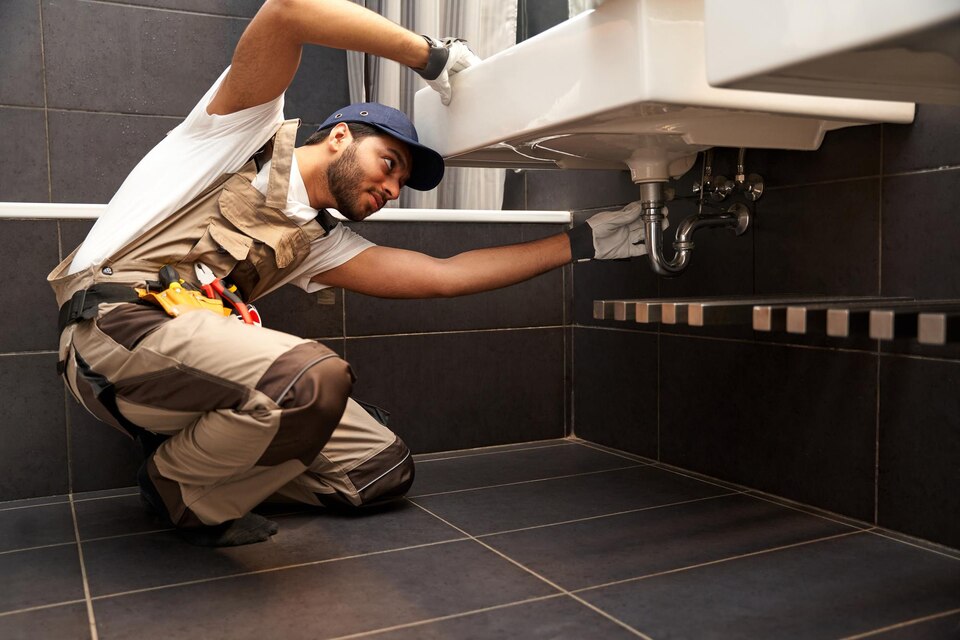
6. Do-It-Yourself vs. Expert Bathroom Leakage Repair
DIY solutions for minor leakage include rerouting tiles, repairing weak connections, and using waterproof tape. But these are only short-term fixes.
To provide long-lasting solutions for leakage that is hidden or persistent, experienced plumbers use cutting-edge equipment. Employing professionals guarantees that the issue will be handled effectively.
7. Avoiding Future Problems with Bathroom Leakage
Plan for routine maintenance, look for leakage early, and ensure there is enough ventilation in the bathroom to stop leaks. Watch for caulk and grout degradation.
The lifespan of bathroom fixtures can also be increased by installing high-quality plumbing fixtures and avoiding excessive water pressure. It is always better to prevent than to make costly repairs.
In Conclusion
Maintaining a secure and cozy home requires effective bathroom leakage repair. Promptly fixing leaks guarantees a healthier atmosphere and avoids expensive harm.
Timely action can save you money and hassle, regardless of whether you choose to fix things yourself or get help from a professional. A well-maintained bathroom adds peace of mind and value to the home.
FAQs
1. How can I locate a concealed bathroom leak?
Employ a skilled plumber, use a moisture meter, or look for mold growth to precisely find concealed leakage.
2. Can I fix bathroom leakage on my own?
Waterproof tape and sealants can be used to repair minor leakage, but expert assistance is necessary for more serious issues.
3. What is the cost of bathroom leakage repair?
The cost varies according to the extent of the leakage; small fixes are less expensive than substantial plumbing work.
4. What is the lifespan of waterproofing a bathroom?
When maintained properly and inspected frequently, high-quality waterproofing lasts ten to fifteen years.
5. How dangerous is it to ignore bathroom leakage?
Ignoring leakage can eventually result in increased repair expenses, mold growth, and structural damage.
6. How can bathroom leakage be avoided?
Future leakage can be avoided by employing high-quality materials, performing routine maintenance, and properly waterproofing.
7. Is mold an indication of bathroom leakage?
Yes, persistent mold development frequently indicates a possible leak and concealed moisture.
8. For expert bathroom leakage repair, who should I call?
For dependable bathroom leakage repair services, licensed plumbers or waterproofing specialists are the ideal experts.